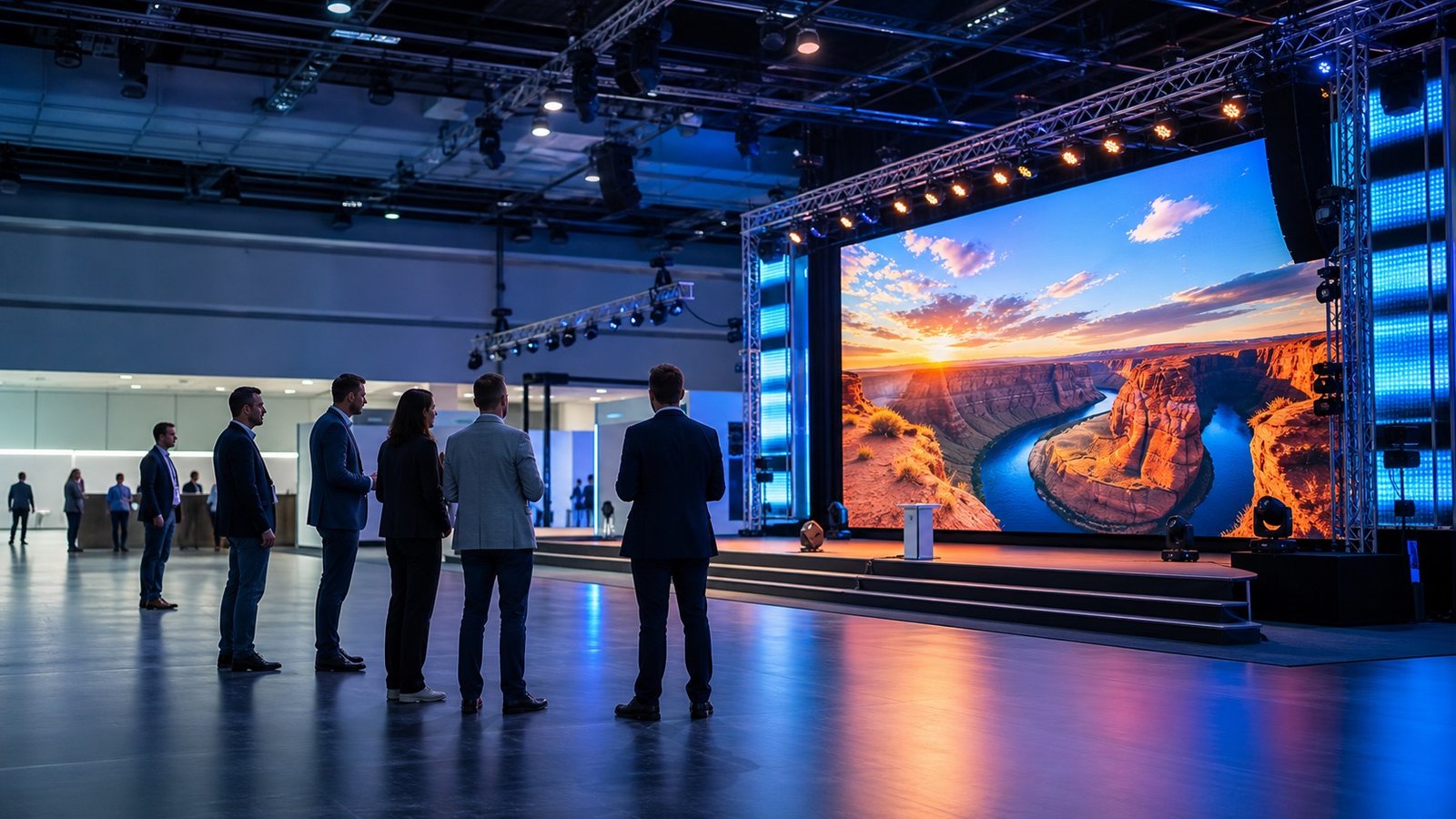
Buying an LED display sounds simple until the spec sheet lands in your inbox.
Suddenly you are looking at pixel pitch, refresh rate, brightness, cabinet size, IP rating, scan mode, control system, viewing distance, installation structure, and a dozen other things that all seem important. And yes, most of them are important. But you do not need to start there.
The easiest way to choose the right LED display is to start with the real scene where the screen will be used. What will people see? How far away will they stand? Is the screen indoors, outdoors, rented for events, or fixed on a building? Once those answers are clear, the technical choices become much less mysterious.
Start with where people will stand
Pixel pitch is usually the first spec people ask about, but it only makes sense when you connect it to viewing distance.
If viewers are very close to the screen, such as in a showroom, meeting room, retail store, or control room, you need a smaller pixel pitch. Fine pitch LED looks cleaner up close because the pixels are packed more tightly.
If the screen is on a stage, building facade, shopping mall atrium, or roadside billboard, viewers are usually farther away. In that case, a larger pitch can still look great, and it may be much more cost-effective.
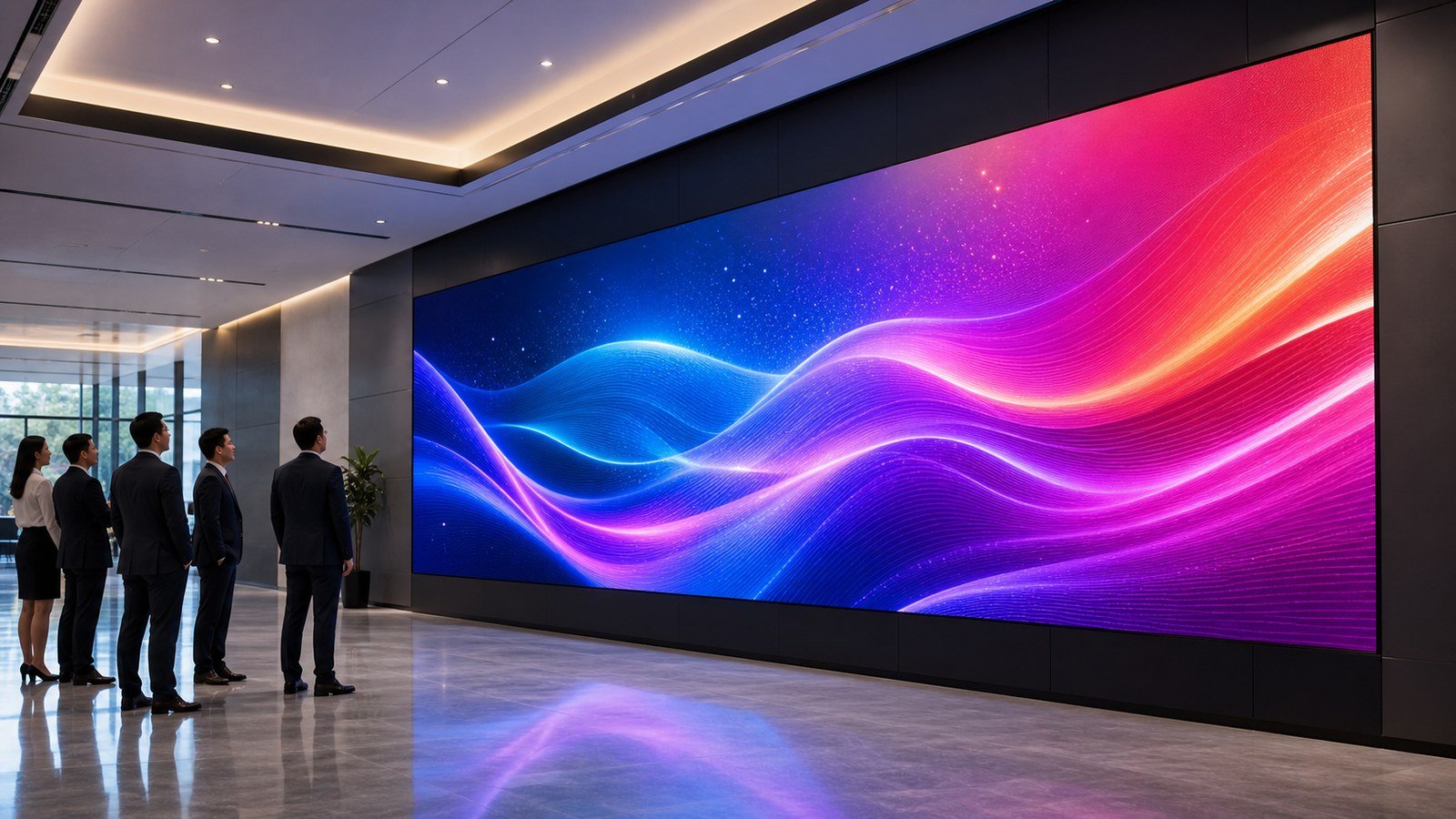
- Close viewing: choose finer pitch.
- Medium viewing: balance image detail and budget.
- Long-distance viewing: prioritize size, brightness, and reliability.
You do not always need the smallest pitch. You need the pitch that looks good from the distance your audience will actually use.
Indoor and outdoor screens are not the same animal
An indoor LED wall has a different job from an outdoor LED billboard.
Indoor screens usually care more about image detail, slim installation, quiet operation, and comfortable brightness. You want the screen to look crisp without hurting people’s eyes.
Outdoor screens have to fight sunlight, rain, heat, dust, wind, and long operating hours. That means brightness, waterproof protection, cabinet strength, service access, and thermal performance matter a lot more.
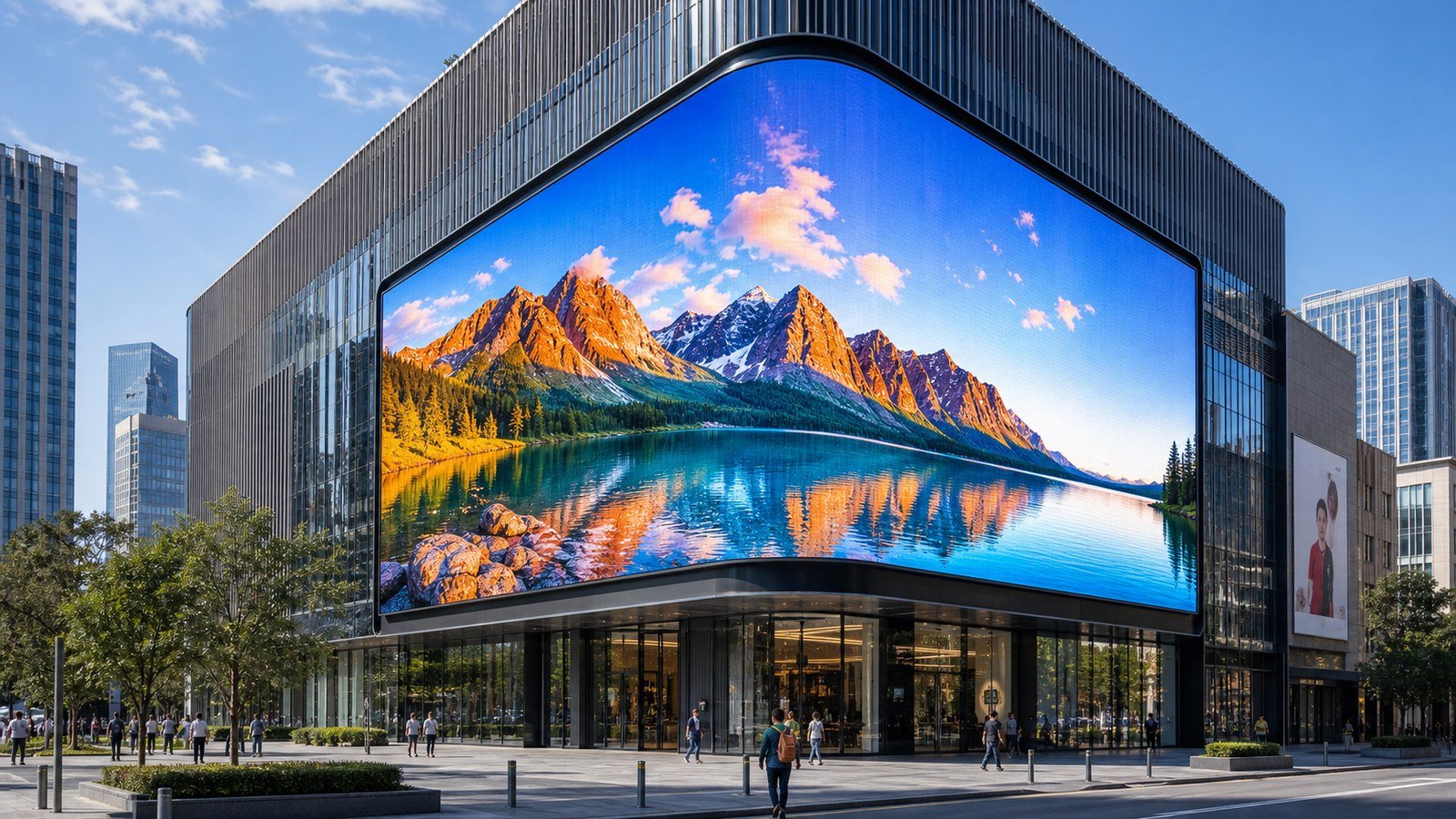
For outdoor projects, do not only ask, “How bright is it?” Ask how the screen will be installed, how it will be maintained, and what happens after two summers and two rainy seasons. A good outdoor LED display is not just bright on day one. It needs to stay stable after the excitement of installation is over.
Rental LED is built for speed
If your screen is for concerts, exhibitions, conferences, churches, touring shows, or temporary events, rental LED display is usually the right direction.
Rental cabinets are designed to be installed, removed, transported, and installed again. That means fast locks, lightweight structure, corner protection, easy alignment, and good refresh performance are all important.
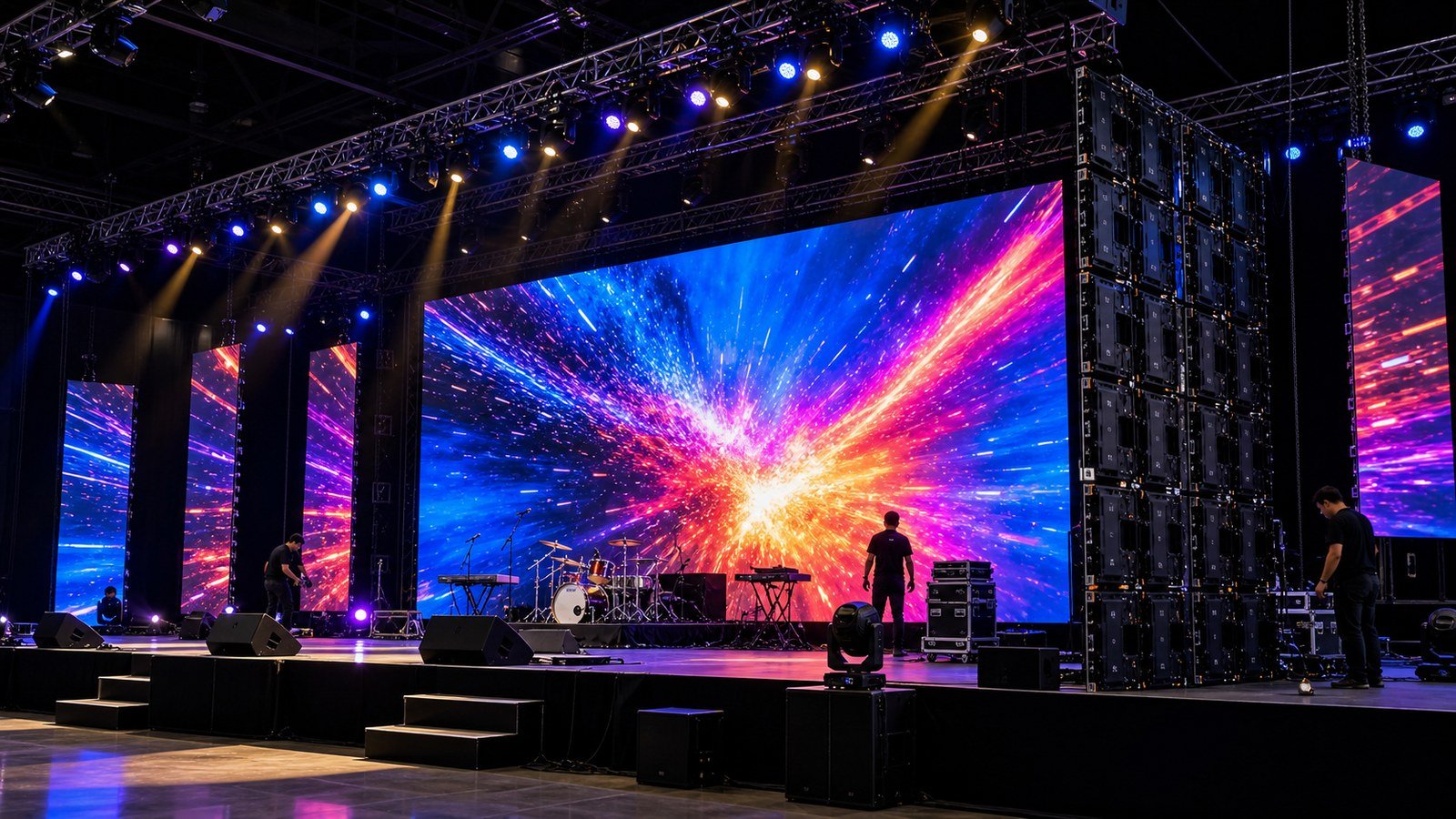
For rental projects, the screen is not just a display. It is part of a working system. The crew needs to move fast. The cabinets need to line up well. The image needs to look clean on camera. And if one module has a problem, maintenance should be quick.
That is why a rental screen should be judged by more than the front image. Check the cabinet handling, locking system, curve options, flight case plan, spare parts, and technical support.
Transparent LED is great when you need light and visibility
Transparent LED display is a strong choice for glass walls, retail windows, commercial facades, auto showrooms, and architectural spaces where you do not want the screen to feel like a solid black wall.
The big advantage is that it can show digital content while still allowing light and visibility through the structure. This makes it useful for stores and buildings that want visual impact without fully blocking the space behind the glass.
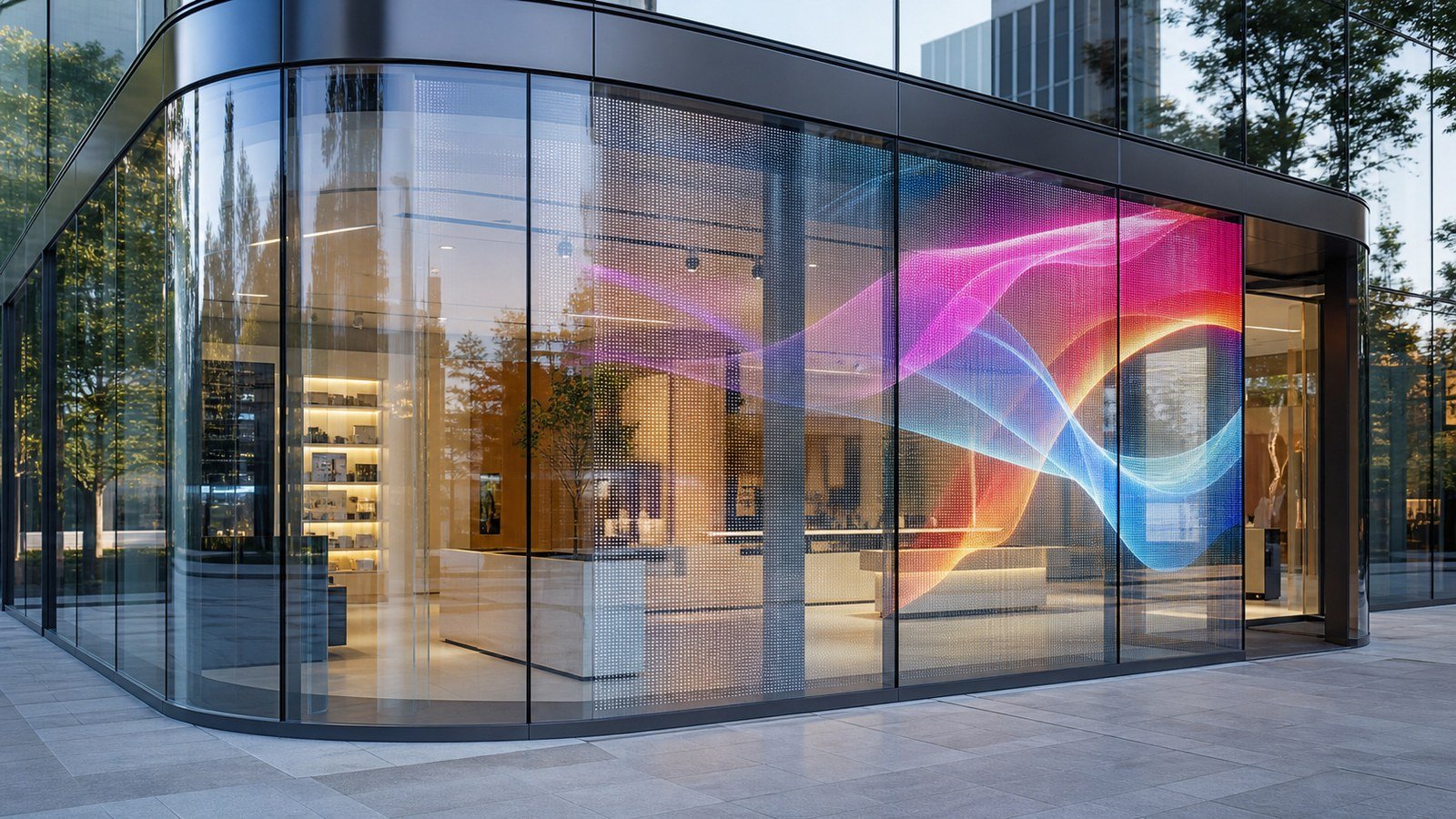
But transparent LED is not a magic fit for every project. You still need to check viewing distance, brightness, installation method, content style, and building structure. It works best when the screen, the glass, and the content are planned together.
Creative screens need practical planning too
Flexible LED, cube LED, sphere LED, floor LED, logo LED, and poster LED displays can make a space feel memorable. These screens are great for showrooms, exhibitions, retail displays, museums, hotels, brand events, and entertainment spaces.
The fun part is the shape. The serious part is everything behind the shape.
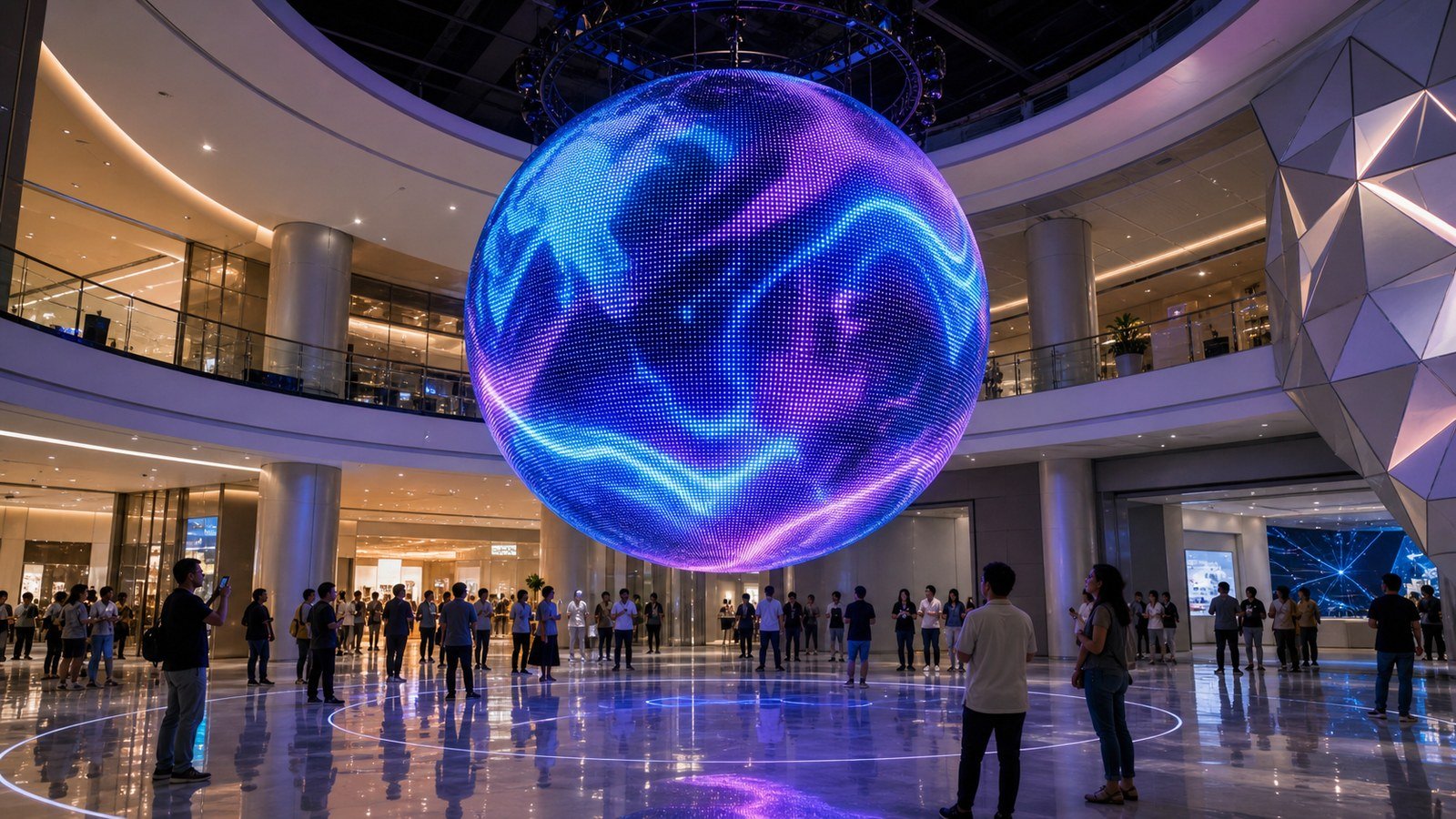
For creative LED projects, it helps to prepare drawings, photos, size targets, viewing angles, and installation limits as early as possible. The more the supplier understands the space, the easier it is to recommend a screen that looks good and can actually be built, packed, shipped, installed, and maintained.
Ask for a configuration, not just a price
Two LED display quotes can look similar at first glance, but they may not include the same things.
Before comparing prices, check whether each quote includes:
- Pixel pitch and LED type
- Cabinet size and cabinet material
- Brightness and refresh rate
- Control system
- Power supply and receiving cards
- Spare modules and spare parts
- Cables and accessories
- Installation structure, if needed
- Packing method
- Warranty and remote support
A lower price is not always a bad thing. A higher price is not always a better thing. What matters is whether the configuration fits the project.
The quick checklist
Before asking for a quote, send these details if you have them:
- Screen width and height
- Indoor or outdoor use
- Fixed installation or rental use
- Viewing distance
- Installation photos or drawings
- Target country or region
- Content type, such as ads, video, live camera, or brand visuals
- Timeline
- Budget range, if available
Final thought
Choosing an LED display does not have to feel like decoding a technical manual.
Start with the scene. Think about the audience. Decide whether the screen needs to be close-viewing, outdoor-ready, rental-friendly, transparent, or custom-shaped. Then let the specs support that plan.
If you are planning a project and want a practical configuration, send us the screen size, application, viewing distance, and installation environment. We will help you narrow it down without making the process heavier than it needs to be.
Need help choosing the right LED display?
Tell us your installation scene, screen size, pixel pitch target and timeline. Mirun Hailian can help match the right product configuration.