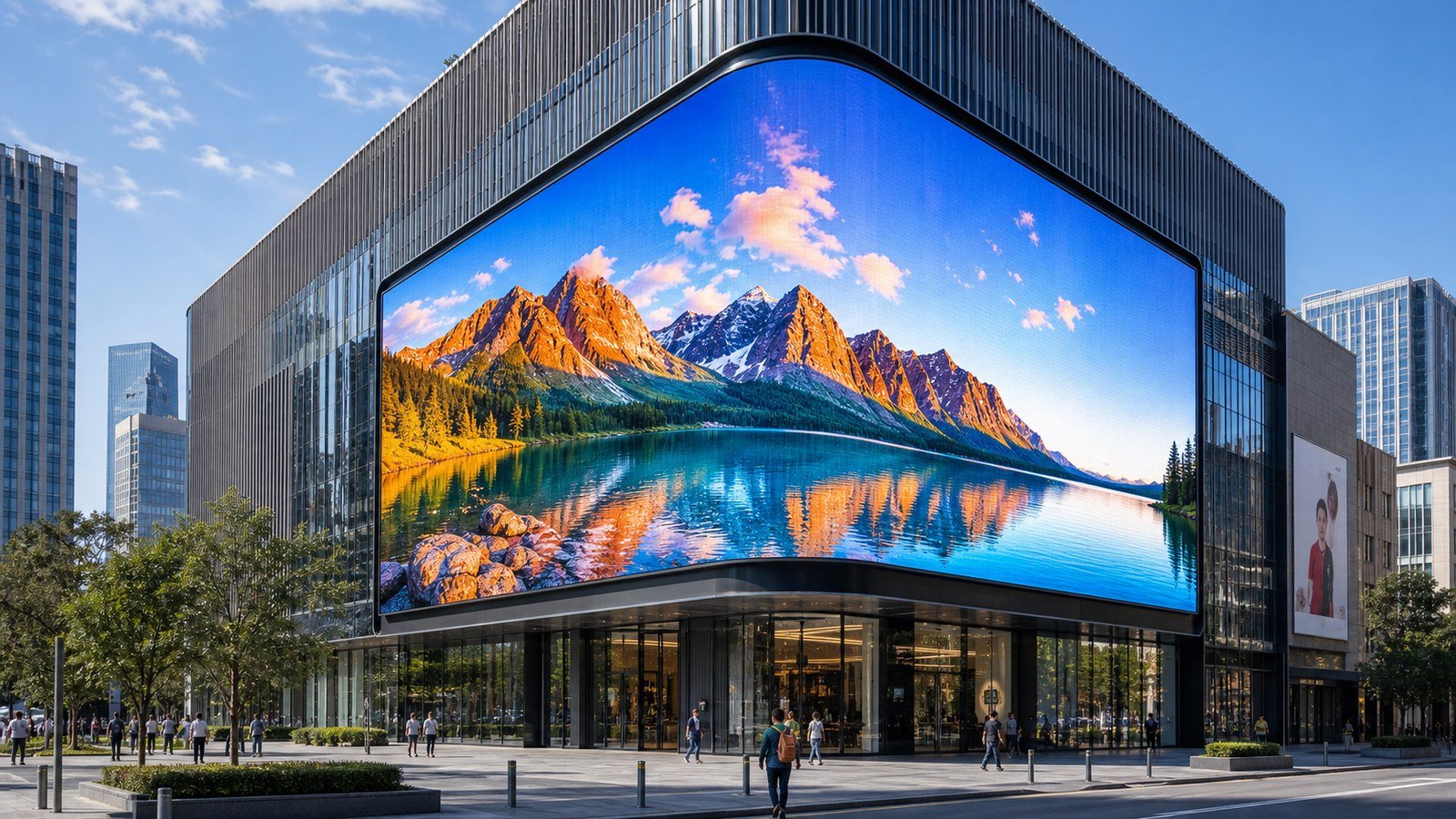
Planning an outdoor LED display sounds exciting, and honestly, it should be. A big screen on a building, roadside, plaza, shopping center, or event venue can completely change how a space feels.
But here is the part people sometimes underestimate: a good outdoor LED project is not only about buying a bright screen. The real win comes from matching the screen, the structure, the viewing distance, the weather, the content, and the maintenance plan. When those pieces fit together, the project feels smooth. When they do not, small problems become expensive very quickly.
Start with the actual location
Before talking about pixel pitch or price, look at the site. Is the screen facing direct sunlight? Will people view it from across the street, from a plaza, or from cars passing by? Is there enough space behind the screen for maintenance? Will the structure be mounted on a wall, steel frame, rooftop, or pole?
These details sound basic, but they decide a lot. A screen for a shaded storefront is not the same as a screen on a sunny roadside. A screen viewed from 8 meters away is not the same as one viewed from 80 meters away.
Brightness matters, but do not chase numbers blindly
Outdoor LED displays need strong brightness because they compete with sunlight. That part is obvious. What is less obvious is that higher brightness is not always automatically better.
You want enough brightness for the environment, plus good grayscale, color consistency, and reliable heat control. If the screen is too bright at night, it can look harsh and uncomfortable. If heat is not handled well, long-term stability can suffer. So the goal is not just “as bright as possible.” The goal is “bright enough, stable enough, and comfortable enough for the real scene.”
Pick pixel pitch based on viewing distance
This is one of the easiest places to overspend. A smaller pixel pitch gives more detail, but if viewers are far away, they may never see that extra detail. For a large billboard, a slightly larger pitch can still look clean from the road and keep the budget healthier.
A practical way to think about it: close viewers need finer detail; far viewers need size, brightness, and reliability. If you are not sure, send the viewing distance and screen size to your supplier. A decent supplier should be able to recommend a few realistic options instead of pushing the most expensive one immediately.
Do not forget the cabinet and service method
The cabinet is the part buyers do not always notice in photos, but installers and maintenance teams definitely notice it later. Cabinet material, waterproof design, front or rear service access, cable layout, and module replacement all affect the project after installation.
If the screen is installed high on a building or in a tight location, maintenance access becomes a serious planning point. A design that looks cheaper at first can cost more later if every small service job becomes complicated.
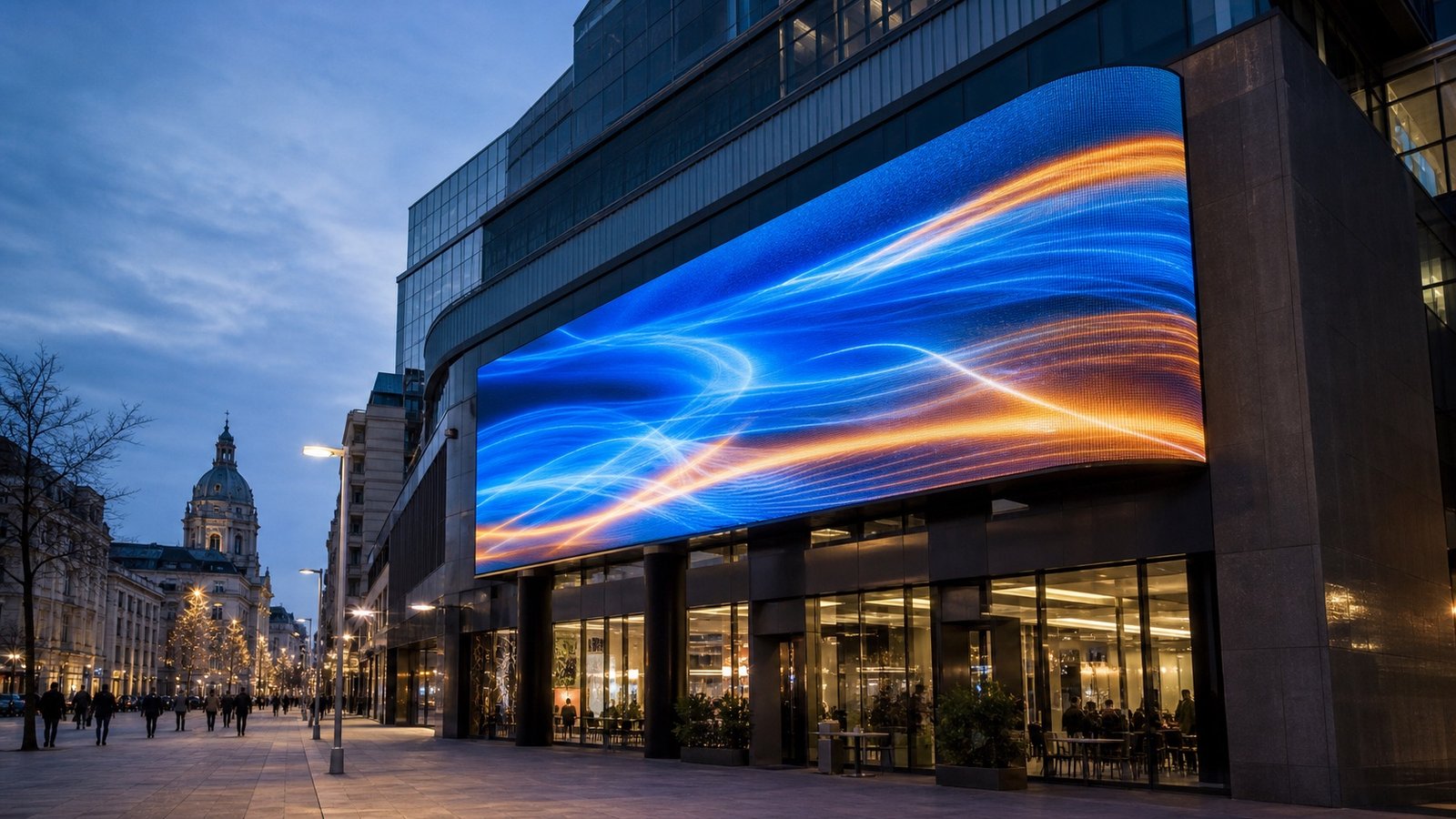
Content affects the screen choice too
Will the screen show simple ads, product videos, live event footage, brand visuals, or text-heavy information? This changes what matters most.
For video-heavy content, refresh rate and color performance matter. For text-heavy content, pixel pitch and contrast matter more. For 24/7 advertising, stability and heat control become a big deal. The screen should match the content plan, not just the installation size.
Ask for a complete configuration
When you compare quotes, do not only look at the price per square meter. Ask what is included. A useful outdoor LED display quote should make the configuration clear:
- Pixel pitch and LED type
- Cabinet size, weight, and material
- Brightness and refresh rate
- Waterproof rating and service access
- Control system, power supply, and receiving cards
- Spare modules and spare parts
- Cables, packing, and installation support
- Warranty and after-sales response
If two quotes look very different in price, there is usually a reason. Sometimes the cheaper one is simply more efficient. Sometimes something important is missing. The only way to know is to compare the full configuration.
A quick checklist before you request a quote
If you want a faster and more accurate recommendation, send these details from the start:
- Screen width and height
- Installation photos or drawings
- Indoor, outdoor, or semi-outdoor environment
- Viewing distance
- Whether the screen faces direct sunlight
- Installation height and structure type
- Main content type
- Target country and project timeline
Final thought
An outdoor LED display is a visual product, but it is also an engineering project. The best results come when the screen is planned around the real location, not just a catalog page.
If you are planning an outdoor LED screen, send us the screen size, viewing distance, installation photos, and target application. We can help you narrow the options and build a practical configuration before the project gets complicated.
Need help choosing the right LED display?
Tell us your installation scene, screen size, pixel pitch target and timeline. Mirun Hailian can help match the right product configuration.