If you have ever bought an LED display from overseas, you already know the part nobody puts in the brochure: the screen is not the only thing you are buying. You are also buying communication, drawings, production timing, packing, spare parts, shipping coordination, and support when your local installer starts asking questions.
And when one of those pieces is unclear, the whole project slows down.
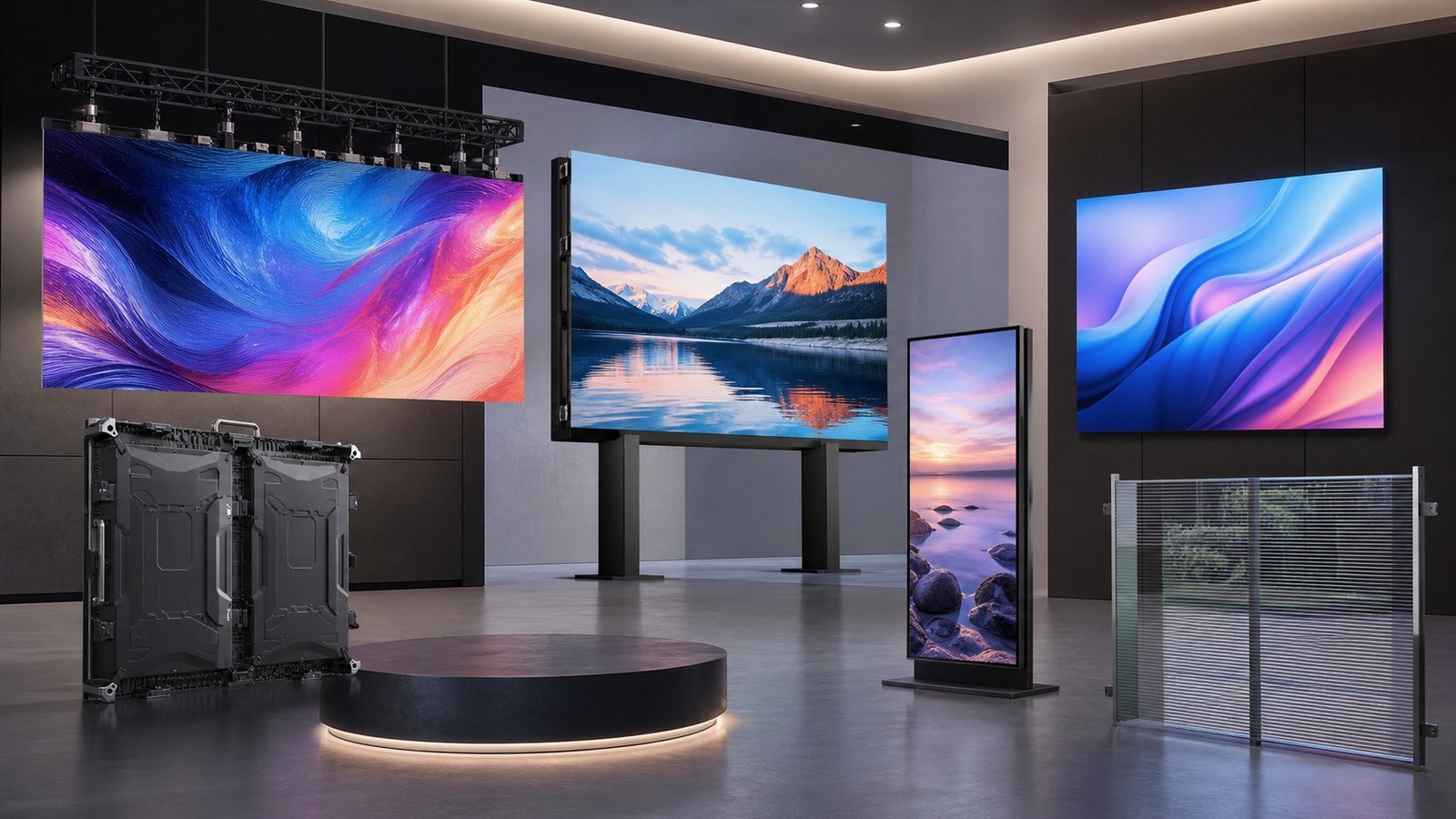
So today, let us talk about how B2B buyers can avoid delays when ordering LED displays from an overseas supplier. This is written from a buyer-first point of view, not from a shiny sales deck. If you are planning an outdoor LED billboard, rental LED wall, indoor LED video wall, transparent LED display, or fine pitch LED screen, this guide will help you keep the order moving without chasing answers every day.
Start with a real project brief, not just “send price”
I get it. When you are busy, it is tempting to send one short message: “Please quote P3 LED screen.” The problem is that this usually creates more work, not less.
A serious LED display quote needs context. Is the screen indoor or outdoor? Fixed or rental? Wall-mounted or hanging? How far away will people stand? What country is it shipping to? Is the buyer a reseller, contractor, event company, media owner, or end user?
If the supplier has to ask ten basic questions after your first message, the quote cycle gets slower. A better way is to send a simple project brief from the start:
- Screen width and height
- Indoor or outdoor use
- Fixed installation, rental use, or mobile use
- Viewing distance
- Installation photos, drawings, or a rough sketch
- Target country and delivery city
- Expected delivery date
- Content type: advertising, live camera, retail video, text, scoreboard, or stage visuals
That is not overkill. That is how you get a useful LED display quotation instead of a guess.
Do not let pixel pitch become a guessing game
Pixel pitch is one of the first things buyers ask about, but it is also where projects can drift. A buyer asks for P2.5 because it sounds sharp. Another supplier recommends P3.91 because it is cheaper. Someone else says P4 is enough. Now the buyer has three quotes that are not really comparable.
Here is the plain version: choose pixel pitch based on viewing distance, screen size, content, and budget. For close indoor viewing, fine pitch may make sense. For outdoor advertising viewed from across the street, a larger pitch can still look great and may save money.
Before approving a quote, ask your supplier to explain why the recommended pixel pitch fits your project. If they cannot explain it in plain English, the configuration probably needs another look.
Compare the full quote, not just the cabinet price
This is a big one. Many B2B buyers lose time because they compare only the price per square meter. That number matters, but it is not the full order.
A complete LED display quote should make it clear what is included:
- LED cabinets and final screen resolution
- LED modules, power supplies, receiving cards, and control system
- Video processor or sending equipment, if needed
- Spare modules, cables, connectors, and accessories
- Front or rear maintenance method
- Waterproof rating and cabinet structure for outdoor projects
- Packing method, gross weight, volume, and shipping details
- Warranty and remote support process
If one supplier includes spare parts and another does not, those quotes are not the same. If one quote includes flight cases for rental LED displays and another uses simple cartons, those are not the same either.
Ask for a full configuration sheet before you approve the order. It saves a lot of awkward “I thought that was included” conversations later.
Lock the drawings before production starts
For LED display projects, drawings are not decoration. They help confirm cabinet layout, resolution, power and signal routing, installation method, service access, and packing count.
Before production starts, ask the supplier to confirm:
- Final screen width and height
- Cabinet quantity and cabinet layout
- Screen resolution
- Power input requirements
- Control system plan
- Maintenance access
- Packing list and spare parts list
This step is boring in the best possible way. Boring means predictable. Predictable means fewer delays.
Ask for a realistic production timeline
Every buyer wants fast delivery. Totally fair. But “fast” only helps if it is real.
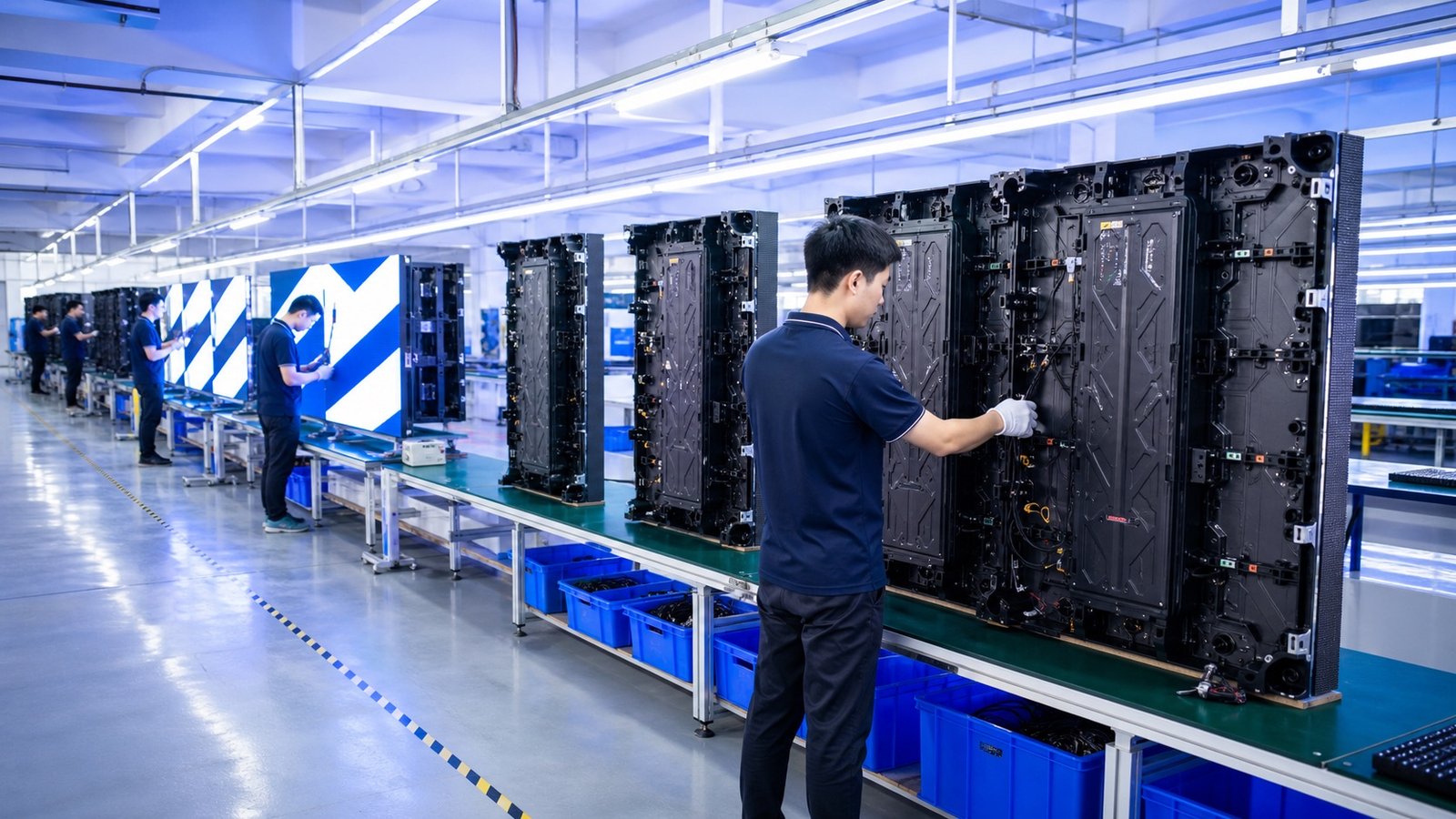
LED display production depends on module availability, cabinet type, control system, order size, testing time, and packing. Custom cabinet colors, special structures, curved rental screens, fine pitch displays, or large outdoor LED billboards may need more time than a standard product.
Ask your supplier for a timeline with milestones, not just one final date. For example:
- Configuration confirmation
- Deposit received
- Material preparation
- Assembly
- Aging test
- Final inspection
- Packing
- Shipment booking
When the timeline is broken into steps, it is much easier to spot problems early.
Do not skip the pre-shipment check
Once the LED display leaves the factory, fixing missing details gets slower and more expensive. That is why pre-shipment confirmation is one of the smartest habits a buyer can build.
Before the final payment or shipment, ask for:
- Power-on test photos or videos
- Cabinet and module inspection photos
- Control system test confirmation
- Packing photos
- Spare parts photos
- Packing list with quantity, weight, and volume
- Shipping marks or labels, if required
This does not mean you distrust the supplier. It means everyone gets one last chance to catch small issues before the goods are on a truck, boat, or plane.
Plan spare parts before you need them
Spare parts are not exciting until you need them. Then they become very exciting.
For overseas buyers, spare modules, receiving cards, power supplies, flat cables, power cables, and connectors can prevent downtime. If the screen is going to a remote location or a high-pressure event, do not wait until something fails to think about parts.
A good supplier should recommend spare parts based on screen size and use case. A rental LED display company may need a different spare parts plan than a fixed indoor showroom screen. Outdoor LED billboards may need waterproof connectors and power-related spares. Fine pitch LED displays may need modules from the same production batch for better visual matching.
Make shipping details part of the project, not an afterthought
Shipping can quietly create delays if nobody owns it early. LED display cabinets are heavy, valuable, and sensitive to rough handling. Packing method matters. Shipping volume matters. Customs documents matter. Delivery address and unloading conditions matter too.
Before shipment, confirm:
- Shipping terms: EXW, FOB, CIF, DAP, or another method
- Port or delivery address
- Packing method: wooden case, flight case, or carton
- Gross weight and volume
- Commercial invoice and packing list details
- Any import requirements in your country
- Whether the local team can unload and store the goods safely
If your project has a hard deadline, do not plan shipping at the last minute. That is where stress lives.
Keep one clear communication owner
Here is a simple project management truth: too many voices can slow down a purchase.
If the buyer, installer, finance team, freight forwarder, and supplier are all talking in different message threads, details get lost. Try to keep one main communication channel and one responsible contact on each side.
For B2B LED display orders, the best setup is usually:
- One buyer-side project owner
- One supplier-side sales or project manager
- Technical questions copied clearly when needed
- Final decisions confirmed in writing
This sounds simple because it is. Simple is good. Simple keeps projects moving.
What a good LED display supplier should do
A good supplier does more than quote a screen. They help reduce project risk.
Look for a supplier who can:
- Ask useful project questions before quoting
- Explain pixel pitch and cabinet choices clearly
- Provide a complete configuration sheet
- Confirm drawings before production
- Share production and testing updates
- Prepare spare parts and packing details
- Support installation questions after delivery
You do not need fancy promises. You need clear answers, practical documents, and someone who keeps the project from drifting.
FAQ for overseas LED display buyers
How can I get a faster LED display quote?
Send screen size, indoor or outdoor use, viewing distance, installation photos, target country, content type, and deadline. The more complete your first message is, the faster the supplier can quote accurately.
What causes most delays in LED display orders?
The common causes are unclear specifications, late drawing confirmation, missing spare parts decisions, slow payment confirmation, packing changes, shipping details left too late, and unclear communication ownership.
Should I choose the cheapest LED display supplier?
Not automatically. A lower price can be fine if the configuration is complete and the supplier can support the project. The risk is a cheap quote that leaves out control equipment, spare parts, packing, testing, or support.
Final thought
Buying LED displays from overseas does not have to feel like guesswork. The key is to make the project clear before production starts: the size, pitch, cabinet layout, control system, spare parts, packing, shipping, and support plan.
If you are planning an outdoor LED billboard, indoor LED video wall, rental LED display, transparent LED screen, or fine pitch LED project, send us your project details. Mirun Hailian can help you prepare a practical factory-direct LED display quote and keep the order moving from configuration to shipment.
Need help choosing the right LED display?
Tell us your installation scene, screen size, pixel pitch target and timeline. Mirun Hailian can help match the right product configuration.